Top 5 Tips for Shooting Film at Concerts and Festivals
Gabby Rizzolo on shooting film at concerts: a cheap point-and-shoot, Portra 800 and HP5, when to use flash, and why it pays to ask for a photo pass.
GRGabby Rizzolo · Feb 20, 2025 · 6 min read
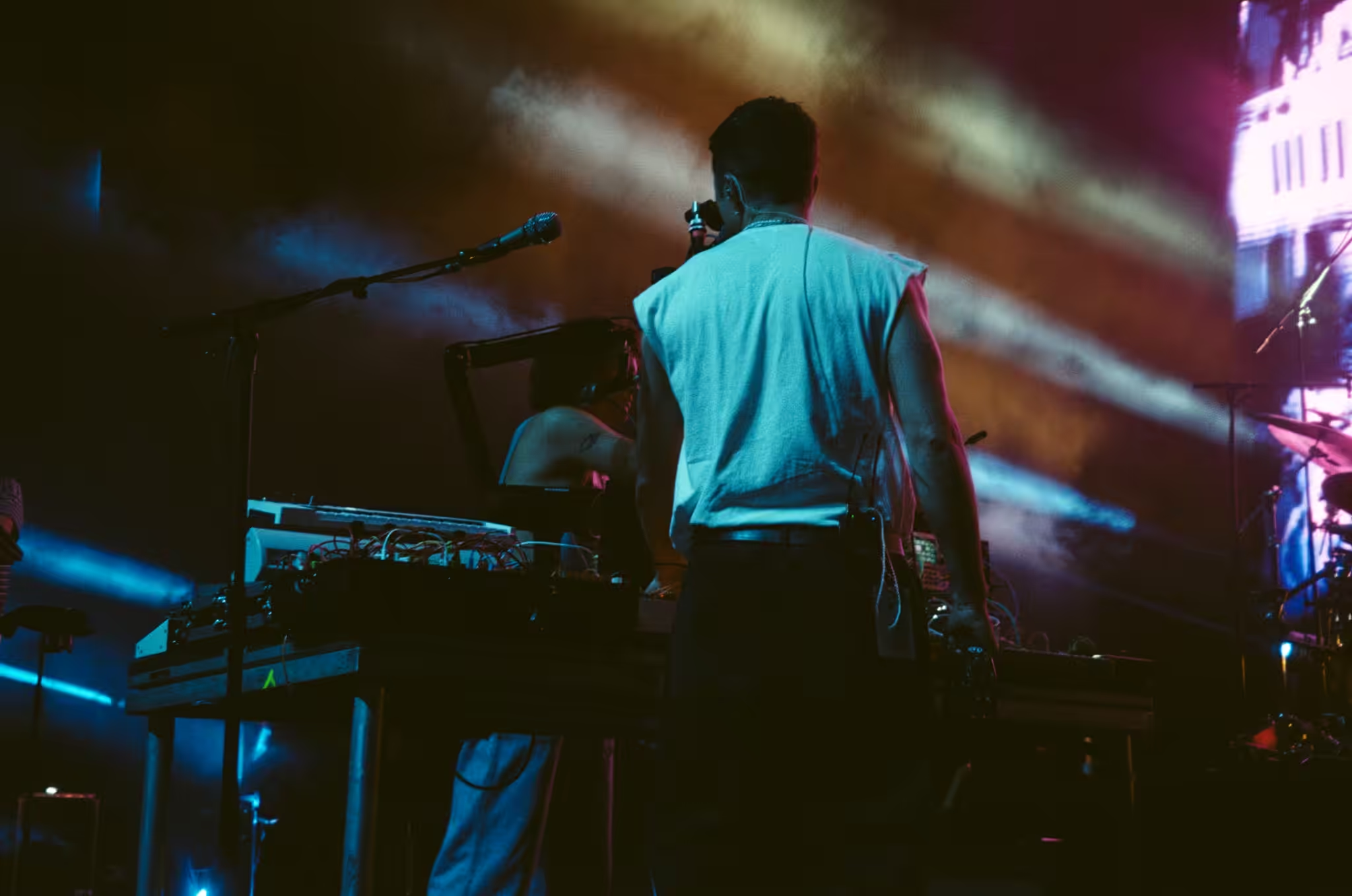
In this article, Concert Photographer and member of the team here at Gelatin Labs, Gabby Rizzolo, shares some advice from her experience photographing live music events. She discusses gear, film stocks, and how to navigate different concert photography permissions and etiquette at shows. Gabby’s photography featured here predominantly highlights the band King Gizzard & the Wizard Lizard among other artists as she follows and photographs their 2024 North American tour. Her insights aim to inspire both aspiring and experienced photographers to embrace their craft and seize the opportunity to capture the magic of live music.
Music has always fascinated me from a young age. My father brought me to many, many live shows over the course of two decades, and as such, live music is integral to my being as a person. I have always wanted to capture the essence of live music in photography. I now shoot my favorite bands on film across the globe. Here are five things I’ve learned about shooting film at concerts and festivals.
1. Gear Is Not Everything
I have shot all of my work on one camera – the Olympus Stylus 120 Zoom. I am a firm believer that expensive gear does not always make the generated results “better”. In fact, I have come to prefer shooting concerts on point and shoots, primarily due to their durability. I have witnessed my peers’ cameras completely destroyed as a result of finding themselves and their gear facing the elements, be it a rowdy mosh pit or an incessant downpour. However, my simple, cost-effective camera has survived even the most intense of show conditions, and is one of the main reasons I will continue to shoot concerts on point and shoots.
Point and shoots are also incredibly beginner friendly – not only are they relatively cost effective (my first point and shoot camera was only $40!), but they also are equipped with lots of features suitable for a beginner to concert photography (night mode, flash, red eye reduction, etc). Those who want to shoot at concerts but are unsure of where to start gear-wise would do well with a point and shoot.
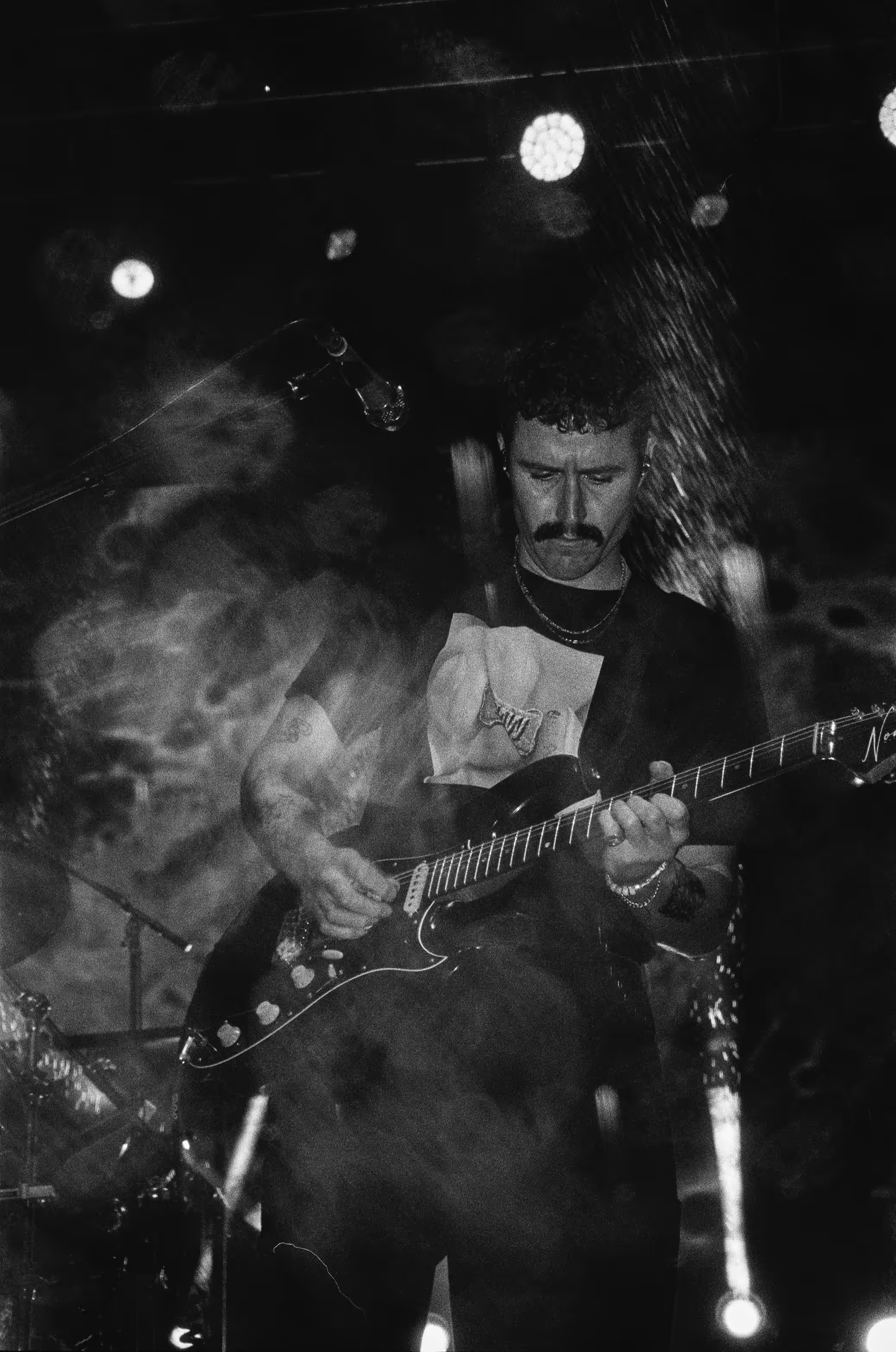
King Gizzard and the Lizard Wizard – Troutdale, OR 9.11.24
2. Ask Permission – But Don’t Let a No Stop You
It is always best to ask a band’s management for permission to take photos at their show. In most cases, it’s necessary to do so if you’re a photographer wanting to bring in professional grade gear with you into the venue. For smaller bands and venues it’s likely that they are not bothered by the presence of photographers and will let photographers and their gear in without a problem. This is not the case for all venues, of course, especially in bigger sports arenas and amphitheaters.
Competition exists in concert photography, too – it’s likely that media passes for bigger shows/more popular artists are limited, or an artist may choose to limit (or disallow altogether) the presence of photographers at their shows. Don’t let this discourage you – while asking permission to take photos is king, most venues will allow you to bring in a “non-professional” camera with a non-removable lens (think a point and shoot), and you can still take wonderful photos from your spot in the venue. This could mean shooting from your spot in a general admission venue (if you arrive early enough, you could do this from the barricade between the crowd and the artist!) or from your seat in a big arena (this is especially recommended for artists known for elaborate light shows/productions).
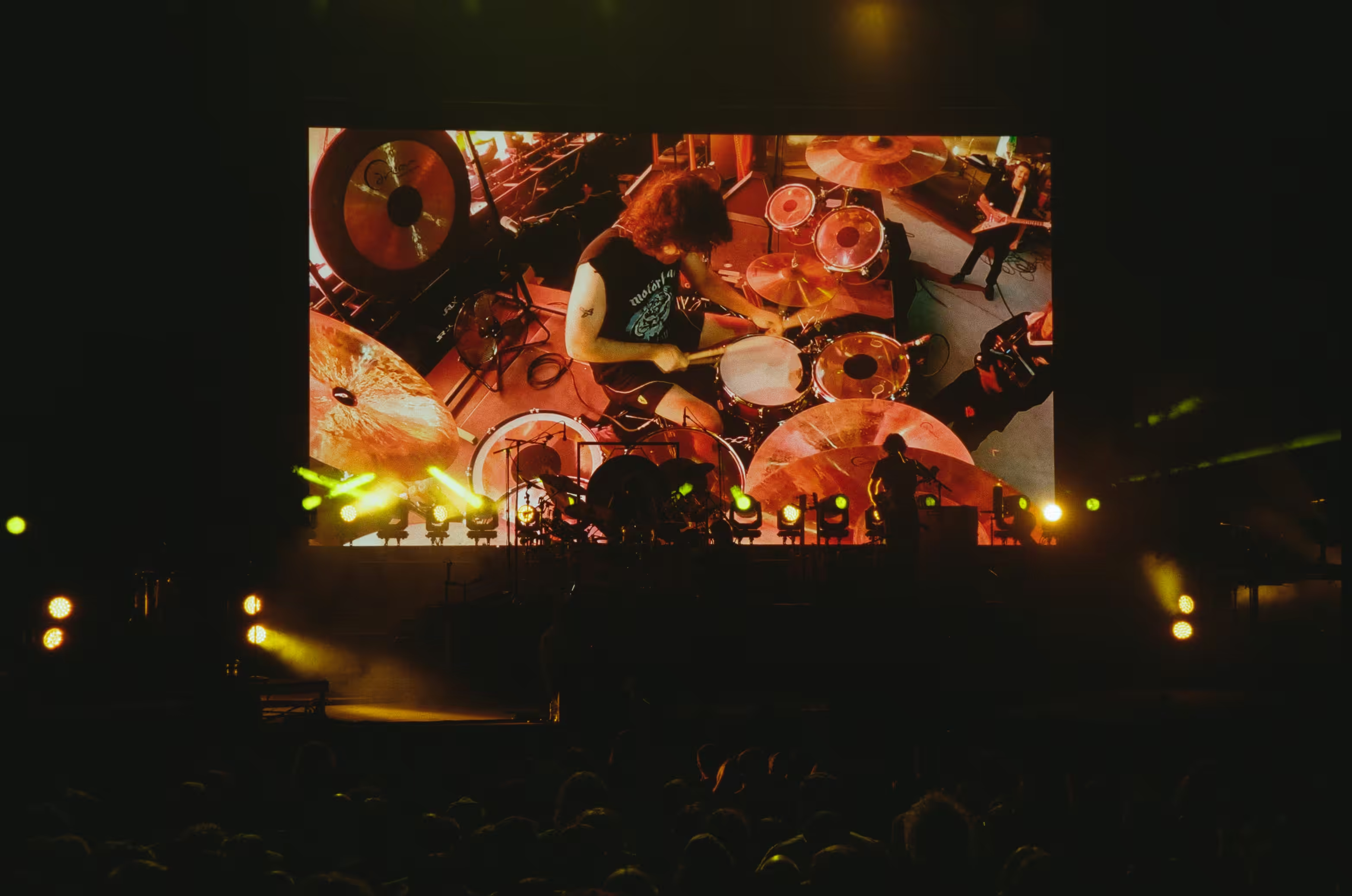
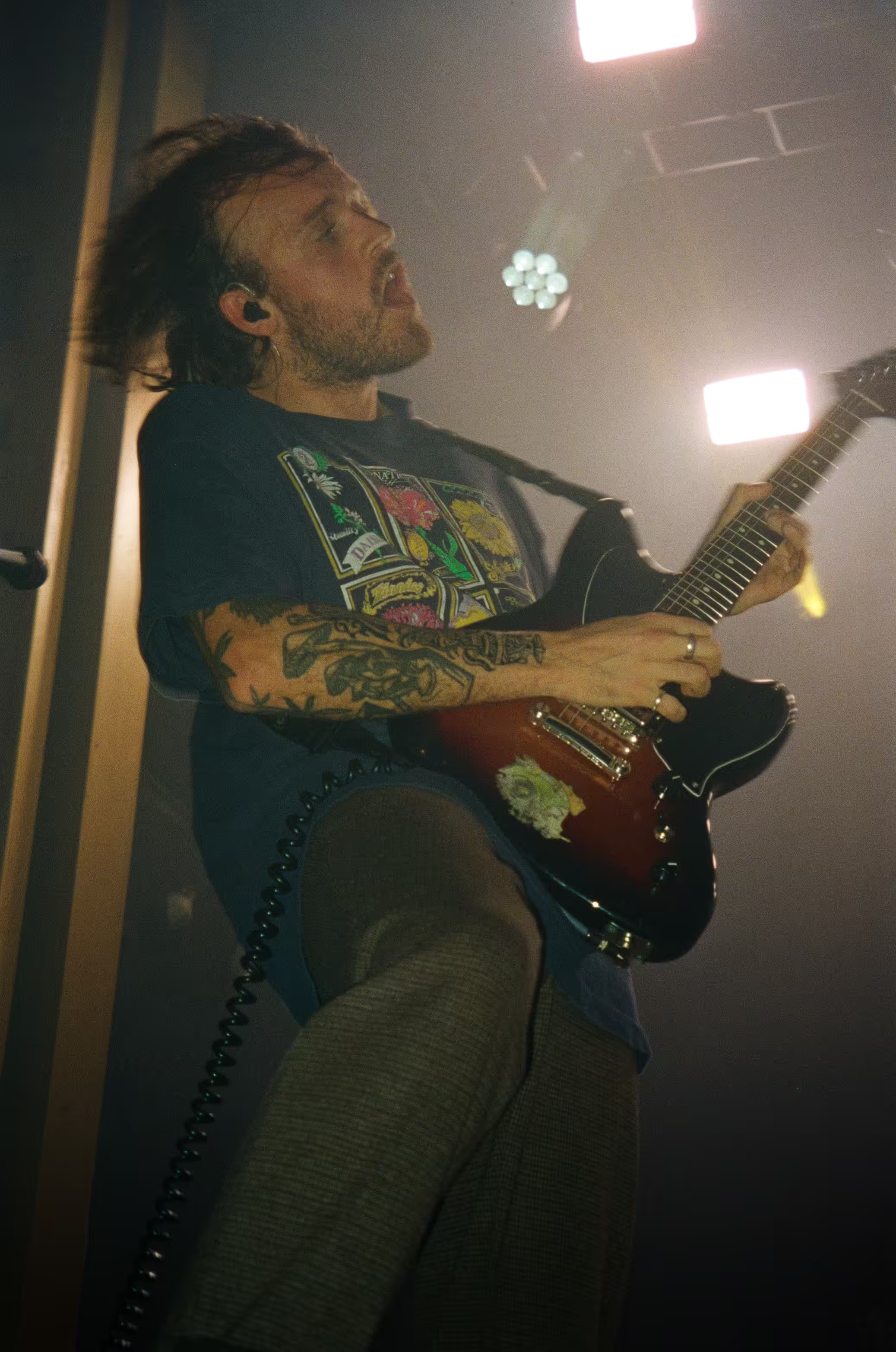
3. High ISO Film Isn’t Always Necessary – Make Use of Push Processing and Flash Photography (When Allowed)
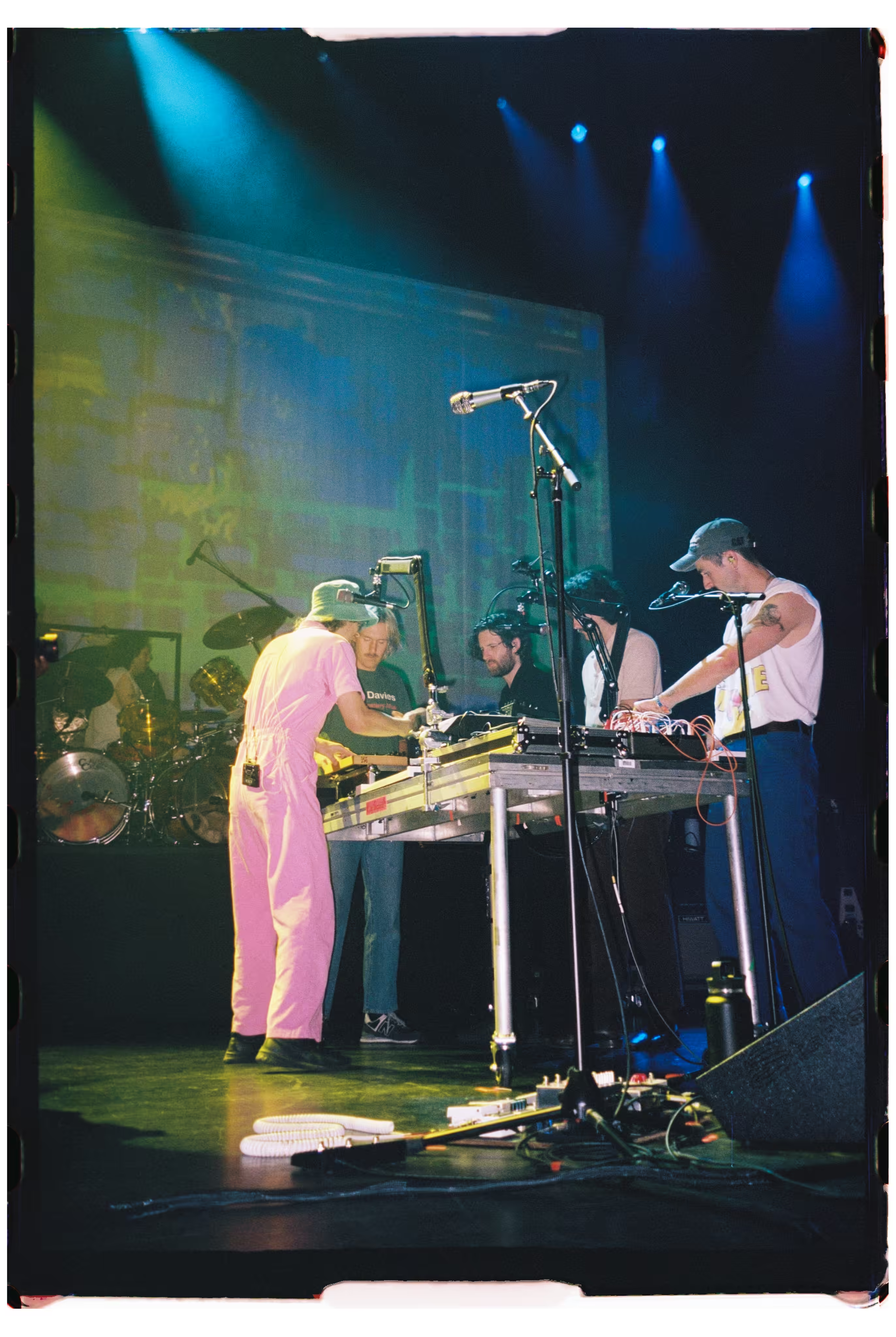
I have shot a wide range of film stocks at concerts, and I love to experiment with all sorts of film. I primarily like to shoot on Portra 800 for color, and HP5+ 400 for B/W. It is definitely recommended to push your low ISO film a stop or two when shooting in low lighting environments – evidently, concerts are no exception. Depending on the desired outcome, however, flash photography is often a viable option when shooting concerts. I find flash to be especially useful in capturing starker contrasts in photos I’m hoping for a more dramatic, “Renaissance painting” feel to them. Flash paired with low ISO black and white film makes captured scenes really pop – it creates a timeless, almost punk feel to some of my own images. When using flash, be mindful about your utilization of it – some venues and artists will disallow flash photography entirely because it can be disruptive to the artist and concert-goers alike.
4. Work With Show Lighting
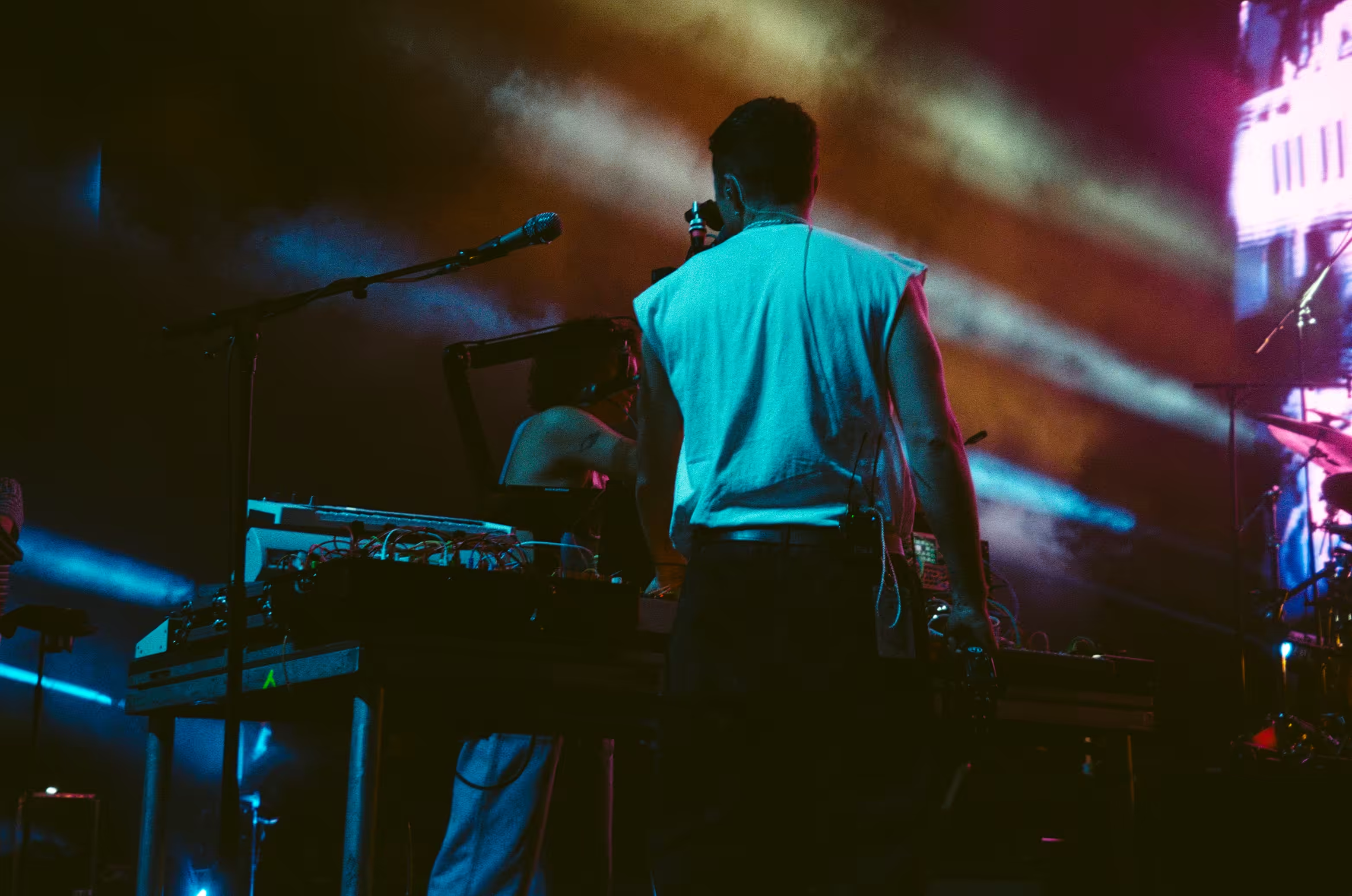
In my previous point, I do make a case for using flash photography at shows, but I’ve also found that I have overused flash at shows because it was available to me and venues/bands alike allowed the use of it. While I love my work involving the use of flash, I came to prefer shots that utilized the show’s lighting a lot more than those that relied heavily on flash. It’s important to know how light hits a subject, and work with that in order to capture the image you’d like. While flash in a concert setting isn’t bad, I find that flash tends to wash color out of photos. Limiting your use of flash and working with the light show in your concert photography can often lead to highlighting the hard work lighting technicians put into creating the whole vibe and scene of a show – in my opinion, capturing this is almost as important as taking photos of the musicians themselves, and is an integral part of what “concert photography” entails. Lighting is a very important part of the concert experience – it’s fun to capture that in your work!
5. You Never Know If You Can Unless You Ask – and Then Do!
Before I started shooting concerts, I was very intimidated by the prospect of asking for media credentials. I am, by no means, a professional concert photographer, nor was I when I began asking for permission to take pictures at concerts. Really, my only experience with concert photography prior to shooting touring bands primarily focused on shooting at my friends’ basement and backyard concerts all over New Jersey and NYC. I still asked for media credentials even though I felt I wasn’t as qualified as “professional” concert photographers. While this is not true of every artist, most people are more accessible than you think. I have consistently been pleasantly surprised by how kind and welcoming band management and other photographers have been to me, even without being a professional photographer. As a result, I’ve been able to take photos of my favorite bands all across the country, all because I asked a simple question. As nerve-wracking as it may seem, all you have to do is ask!
More from this photographer on Instagram: @thegardengabby.
Ready to send your rolls?
Your first roll is on us. Take $26 off your first order of $75 or more, a few rolls, with code FIRSTROLLFREE.
Start your orderOne per customer, on film developing and scanning.
Keep reading
- How-to
Developing Your Style as a Photographer (feat. GelForm)
Kelsea Callister's method for finding your style: study the photos you save, list what you love, then pick a GelForm scan that fits.
KCKelsea Callister · May 22, 2025 · 8 min read
- How-to
Getting Started with Film Photography: Advice From Our Team
The Gelatin Labs team on what they wish they'd known when they started shooting film, from storing film cold to metering and editing in camera.
GLGelatin Labs · Mar 27, 2025 · 5 min read
- How-to
Composing Tips for Instagram Posts for Photographers
Kelsea Callister on composing posts for Instagram's vertical grid, from cropping and stacking to borders, audio and tagging feature accounts.
KCKelsea Callister · Feb 6, 2025 · 6 min read

 The Standard
 The Hi-C
 The Hi-C Spiked
 The Flat Earth
 The Noir
 The Flat Moon
 The Fringe
 The Spacely
 The Palm-Aire
 The Elizabeth